Financial Management and Advanced Report Writing training
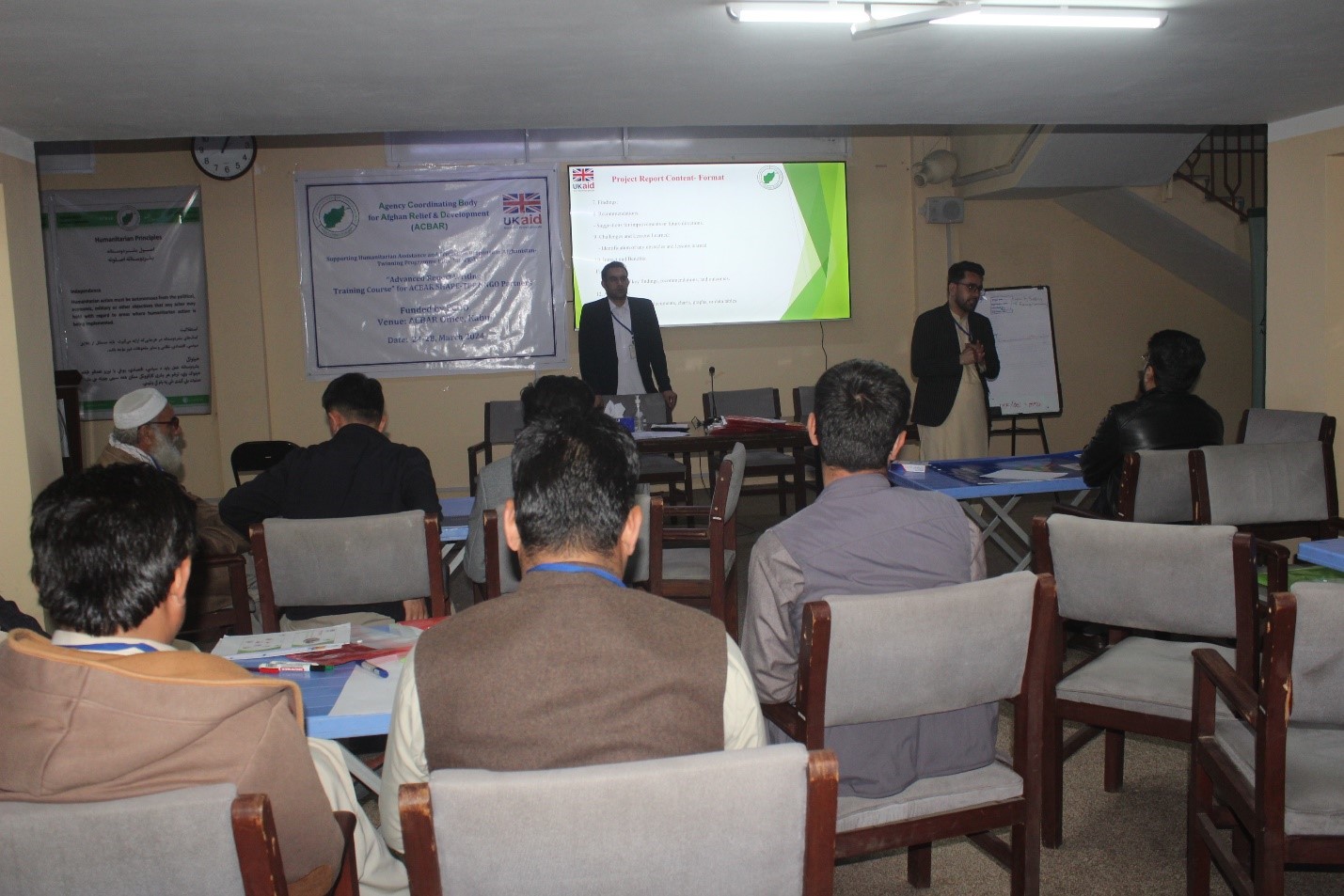
ACBAR hosted two professional development courses, namely Financial Management and Advanced Report Writing, which took place between February 24 to 29, March 24 to 28, and March 31 to April 4, 2024. The trainings covered topics such as Financial Management, Budgeting, Procurement, and Audit. Further, they delved into various facets of effective report writing, including an overview of reporting, Key Principles of Effective Report Writing and Types of Reports. A total of 37 key staff members from our NNGO partners in relevant fields underwent these trainings, gaining valuable knowledge and skills. ACBAR remains dedicated to supporting the capacity-building endeavors of our NGO partners to strengthen their capabilities.
ACBAR Mid-Term General Assembly (31 October 2023)
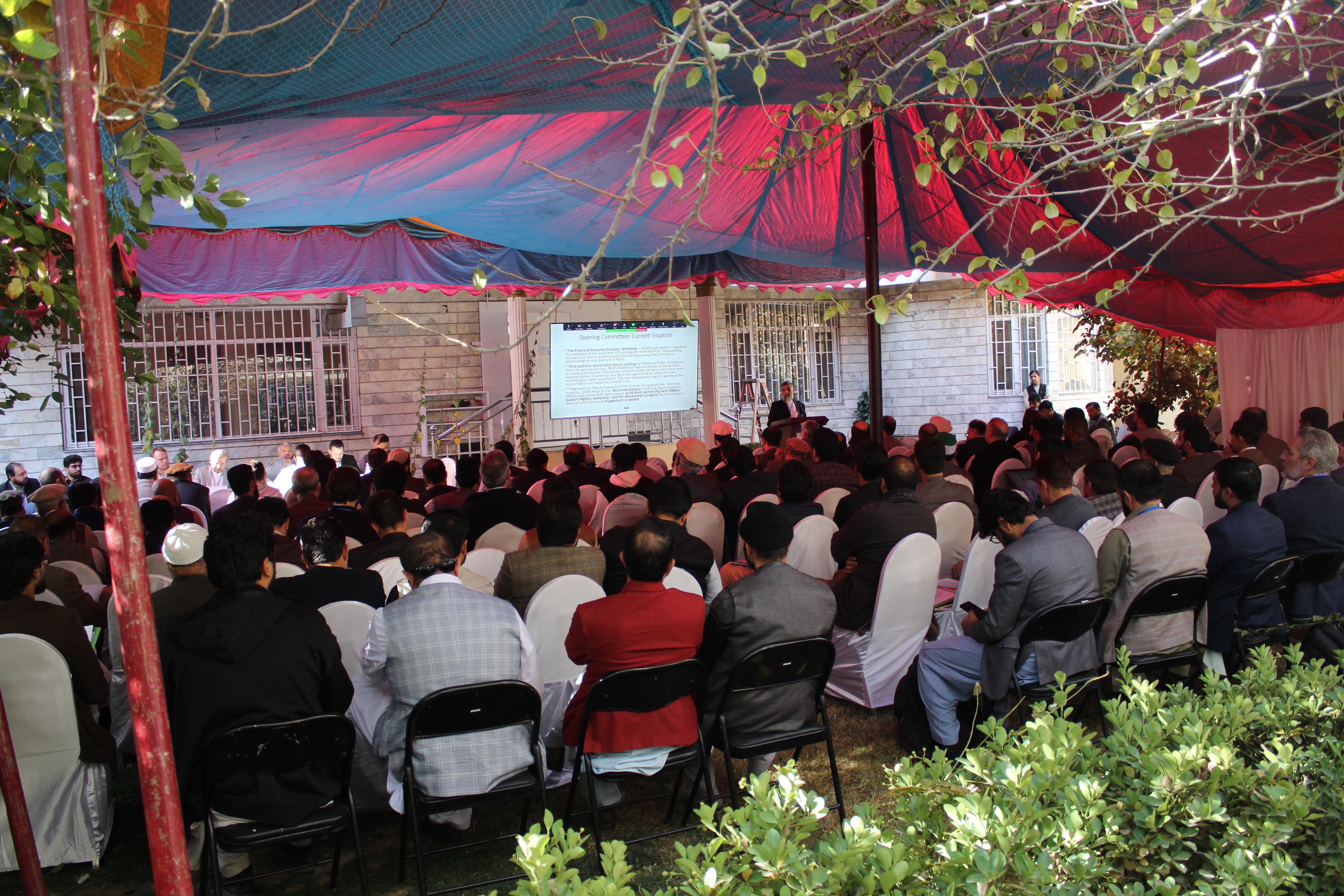
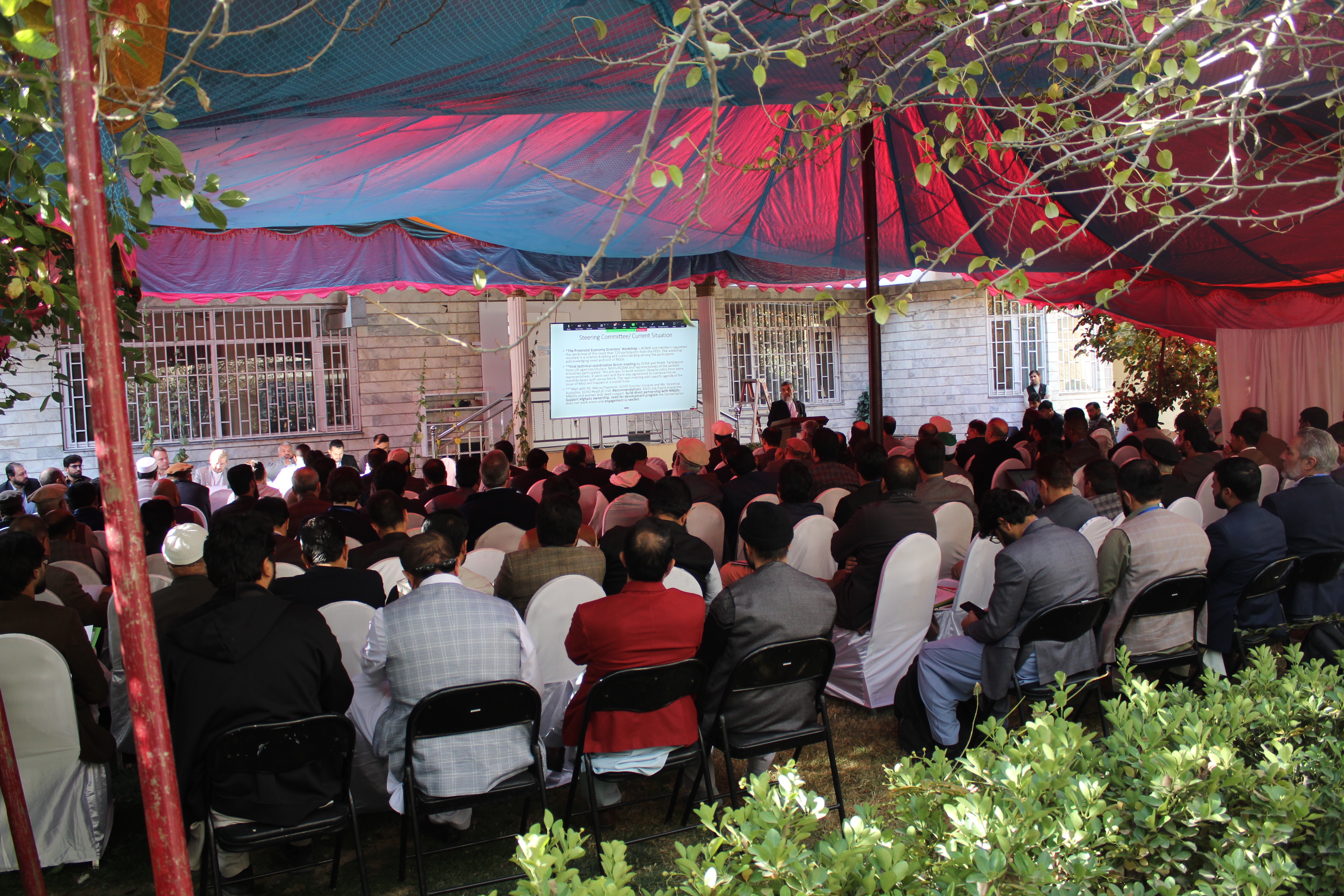
The ACBAR Mid-Term General Assembly met in the ACBAR offices on 31 October 2023, with the participation (either in-person or virtually) of 197 participants from 124 organizations. The General Assembly noted significant progress since the prior six months previous Assembly, as demonstrated by: ACBAR’s continuous engagement with key ministries, including the Ministry of Economy/MoEco. (Most prominently in the form of a September 2023 workshop involving national MoEco. representatives as well as staff from all provincial DoEco. directorates), has made it possible to (i) work together with line ministries to resolve practical problems impeding NGO work and (ii) improve line ministries’ understanding of the work of NGOs in Afghanistan Read more ...

The Center of Conflict and Humanitarian Studies (CHS) - Doha, in collaboration with the Agency Coordinating Body for Afghan Relief and Development (ACBAR), organized a two-day workshop in Kabul.
The event, held on January 28th and 29th, 2024, aimed to enhance coordination between non-governmental organizations (NGOs) and key Ministries of the Islamic Emirate of Afghanistan for humanitarian and development goals. The workshop, hosted at the Serena Hotel Kabul, was attended by 43 NGOs and representatives from various ministries, including MoEco, MoEdu, MoLSA, MoMDA, MoPH, MAIL, MoMP, MoIC, MoRR, MRRD, ANDMA, MoHE, MoF, MoFA, ARCS, and NEPA.
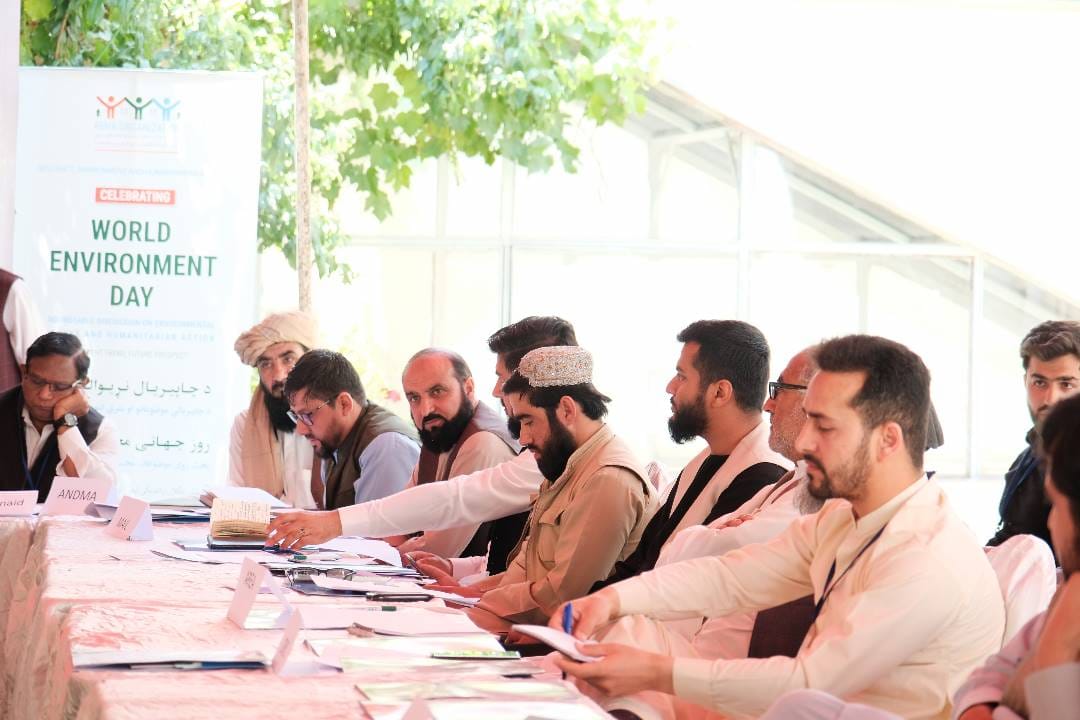
World Environment Day (5 June 2023)
At the request of organizers from the national NGO “Resilience, Environment and Humanitarian Aid Organization” (REHA), ACBAR on Monday, 5 June 2023 hosted a wide range of national and international NGO, CSOs, government agencies, academia, youth groups and other environmental actors, all coming together to celebrate World Environment Day. Read more...
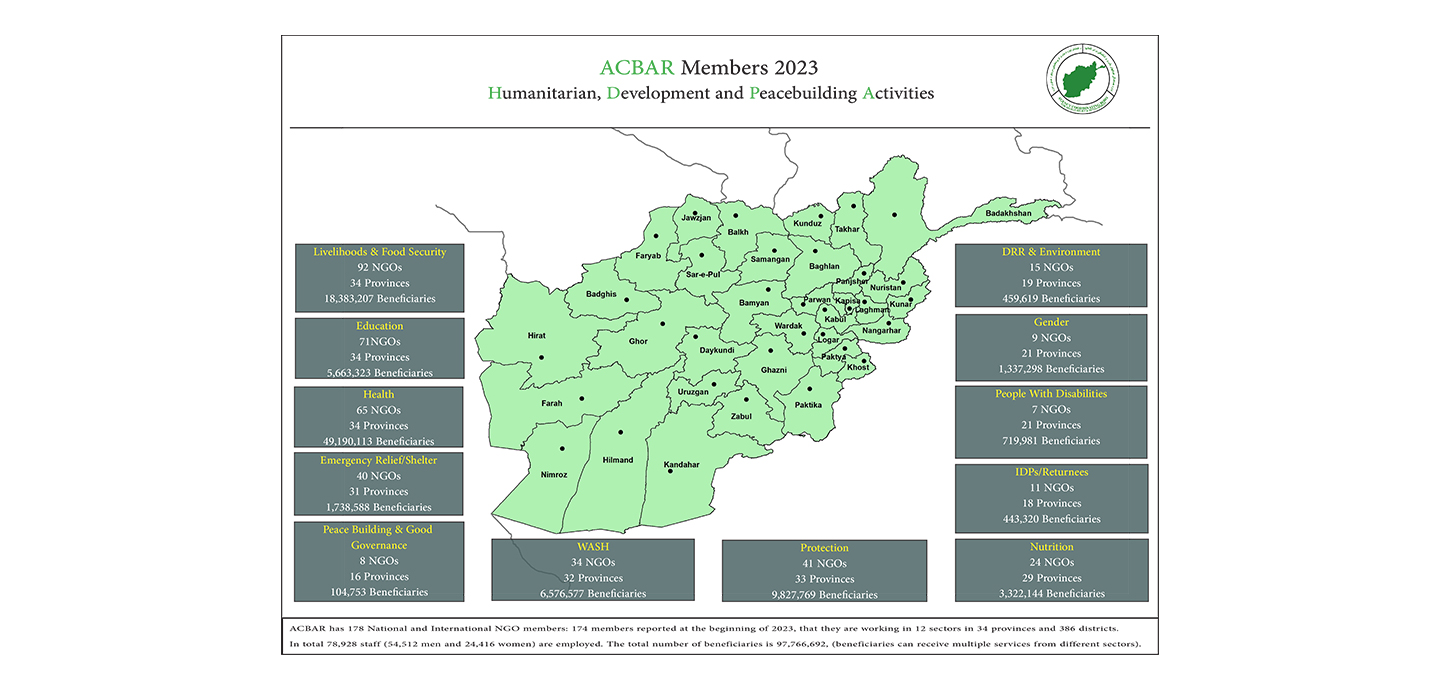
ACBAR Members cover all of Afghanistan
ACBAR has 178 National and International NGO members: 174 members reported at the beginning of 2023, that they are working in 12 sectors in 34 provinces and 386 districts. In total 78,928 staff (54,512 men and 24,416 women) are employed. The total number of beneficiaries is 97,766,692, (beneficiaries can receive multiple services from different sectors).
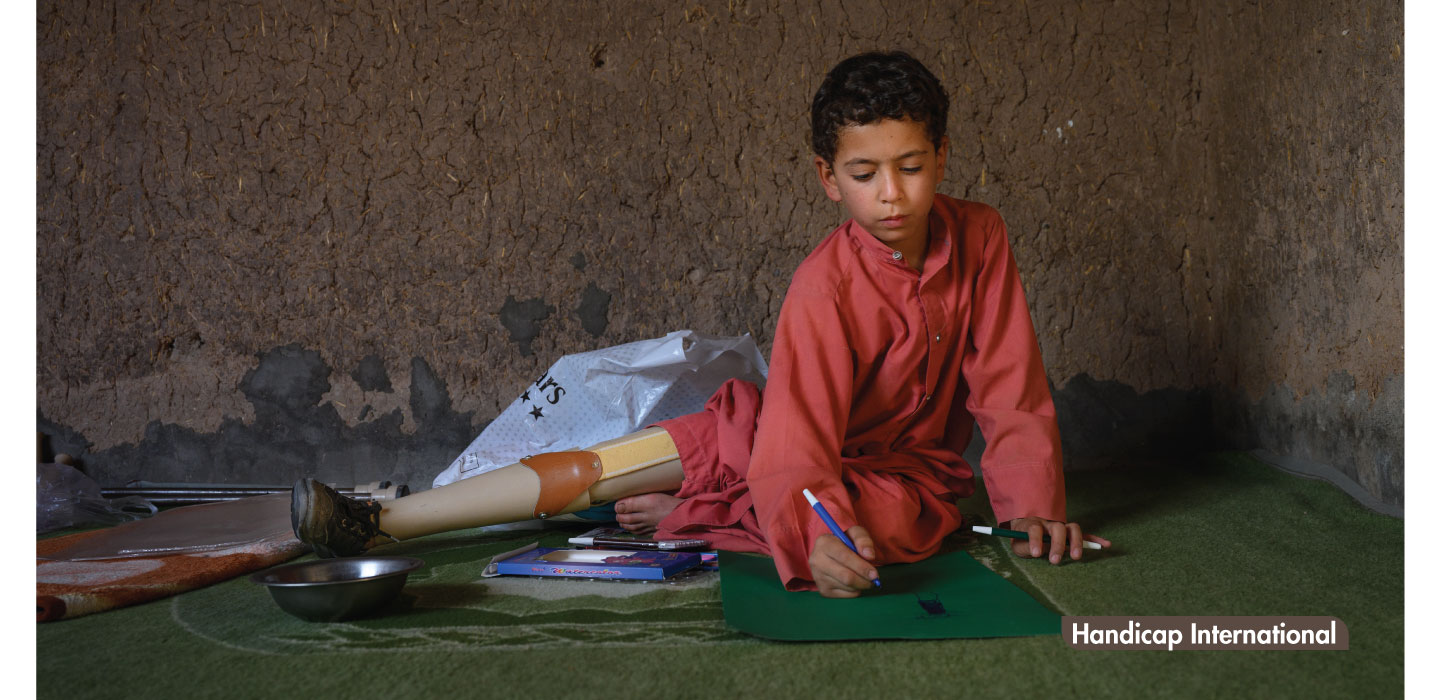
ACBAR Disability Month
This month, ACBAR is celebrating the work of its NGO members, that support the mobility and inclusion of girls and boys, women and men with disabilities in everyday life in Afghanistan.
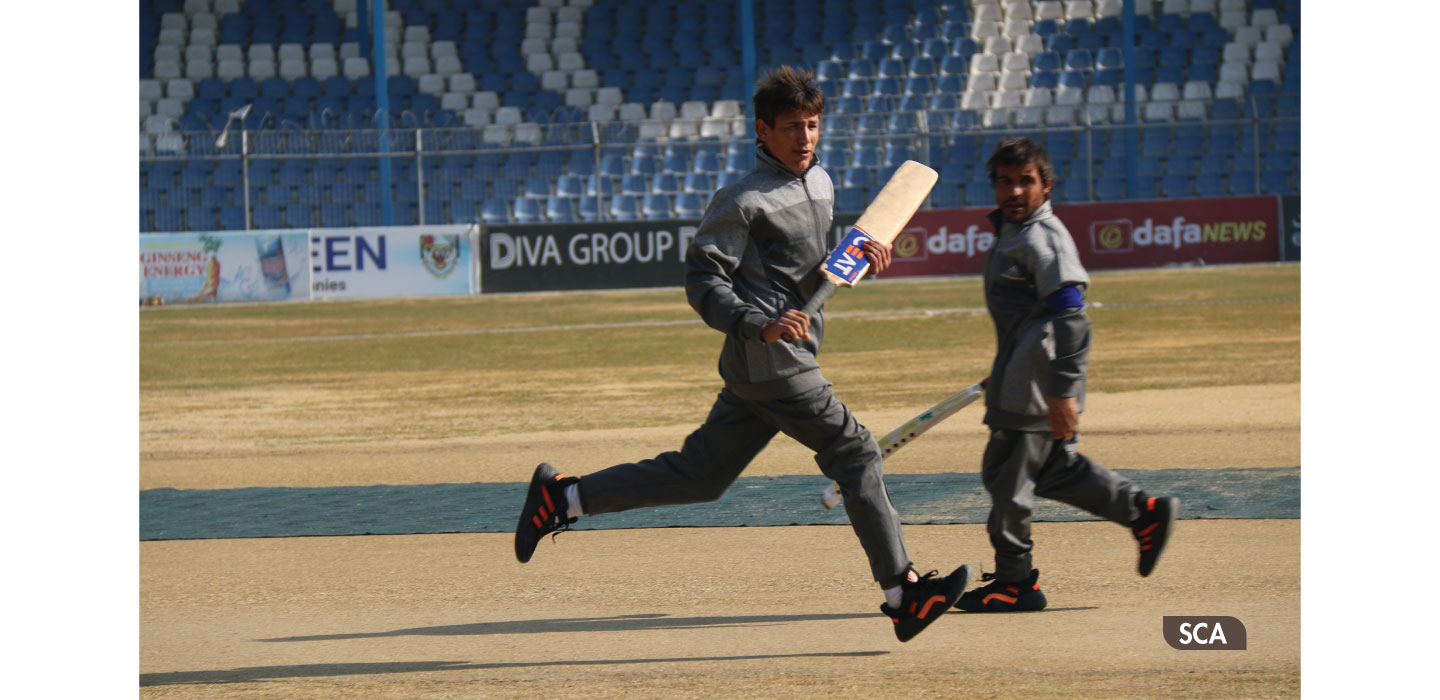
ACBAR Disability Month
This Month, ACBAR is celebrating the work of its NGO members, that support the mobility and inclusion of girls and boys, women and men with disabilities in everyday life in Afghanistan.
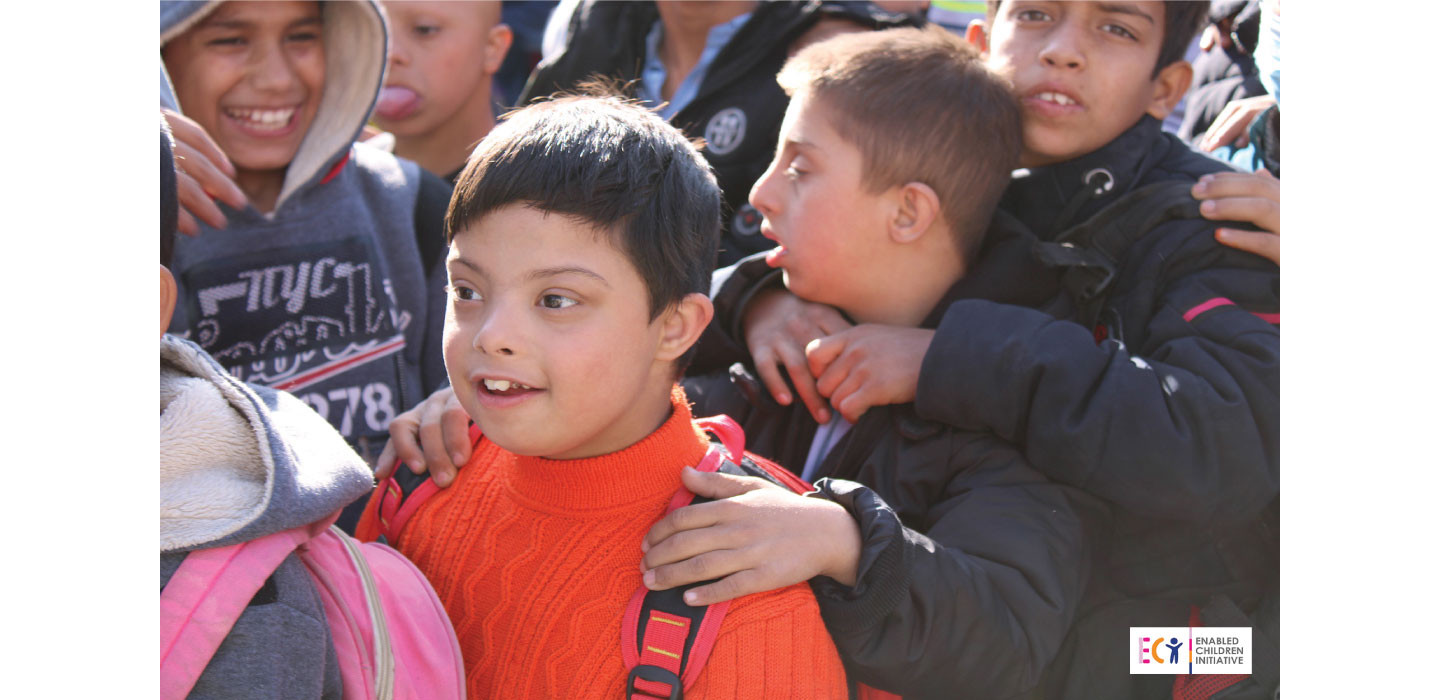
ACBAR Disability Month
This Month, ACBAR is celebrating the work of its NGO members, that support the mobility and inclusion of girls and boys, women and men with disabilities in everyday life in Afghanistan.
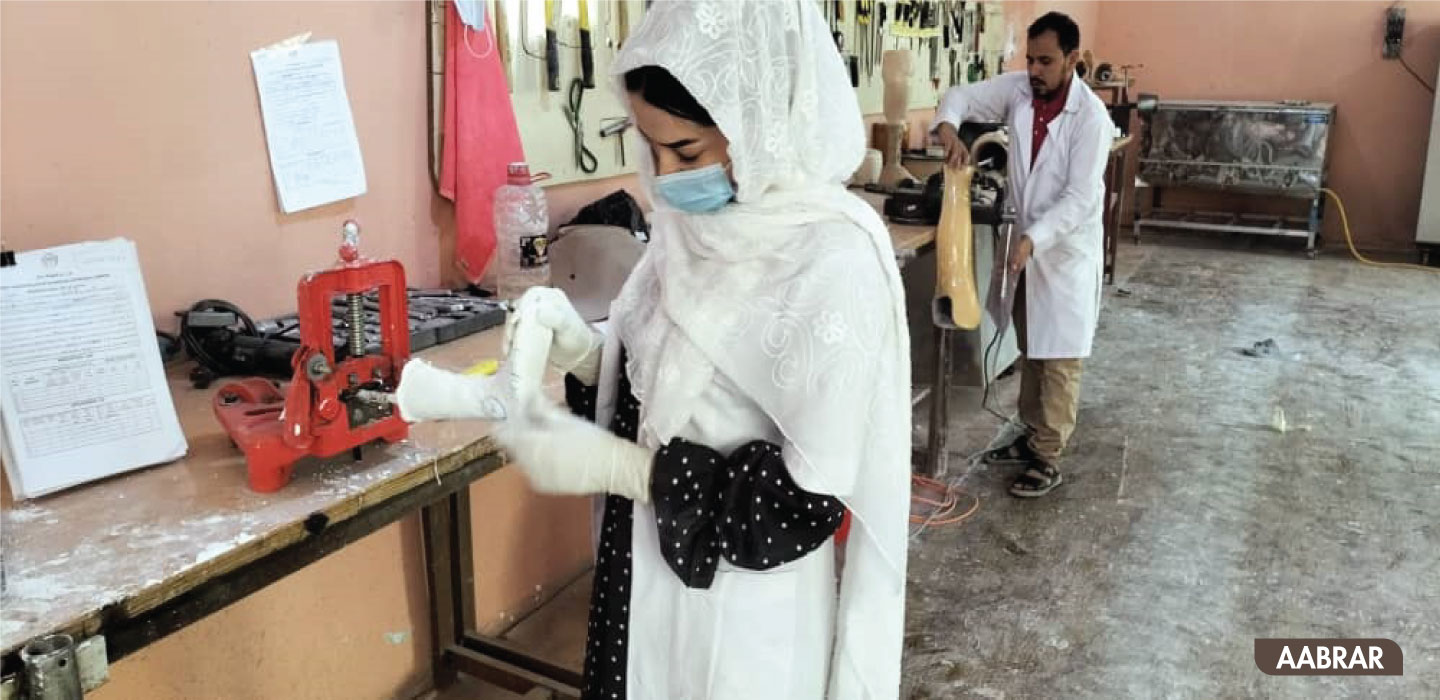
ACBAR Disability Month
This Month, ACBAR is celebrating the work of its NGO members, that support the mobility and inclusion of girls and boys, women and men with disabilities in everyday life in Afghanistan.
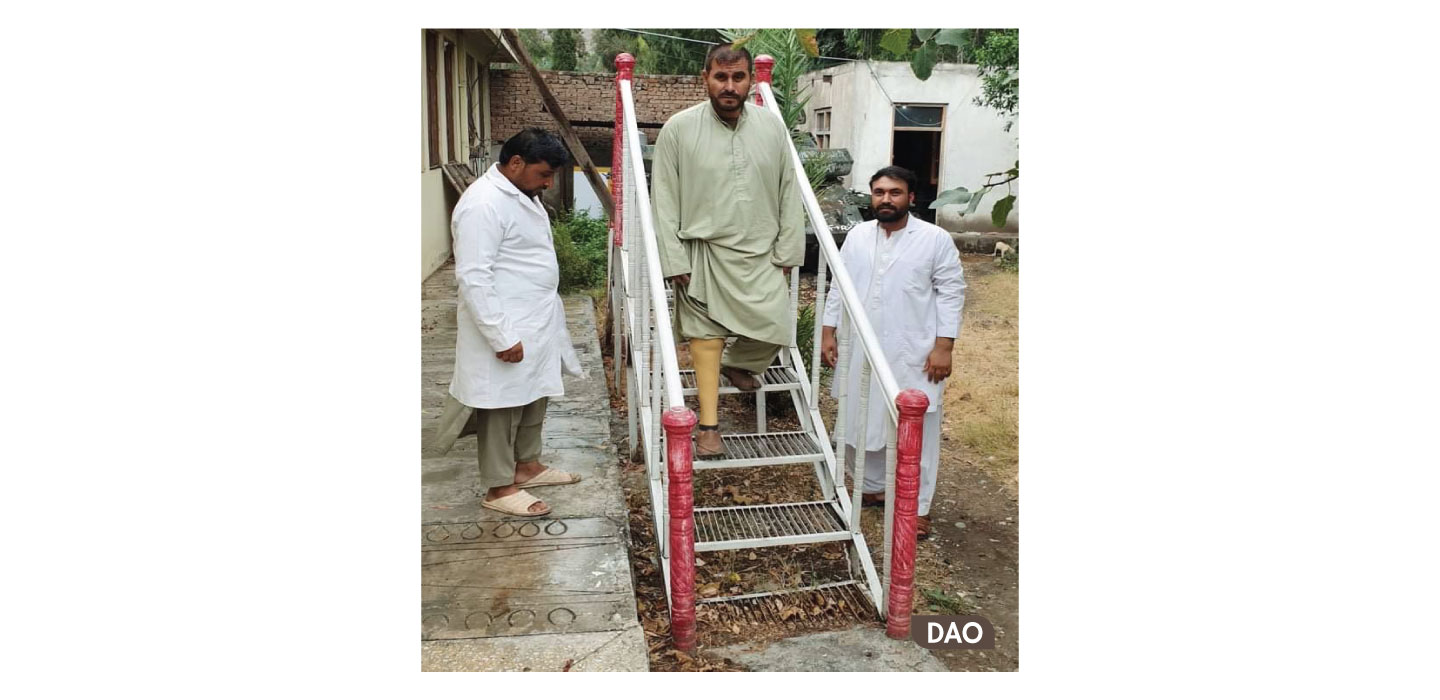
ACBAR Disability Month
This Month, ACBAR is celebrating the work of its NGO members, that support the mobility and inclusion of girls and boys, women and men with disabilities in everyday life in Afghanistan.
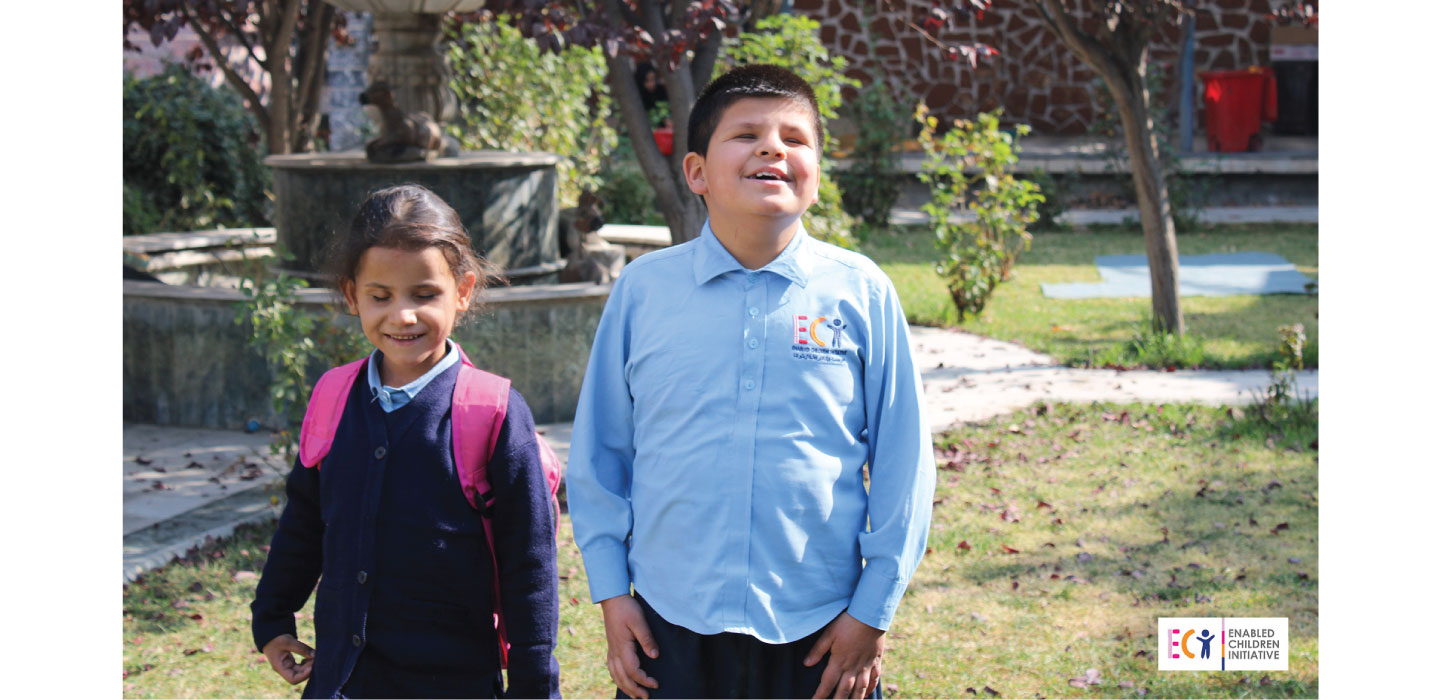
ACBAR Disability Month
This Month, ACBAR is celebrating the work of its NGO members, that support the mobility and inclusion of girls and boys, women and men with disabilities in everyday life in Afghanistan.
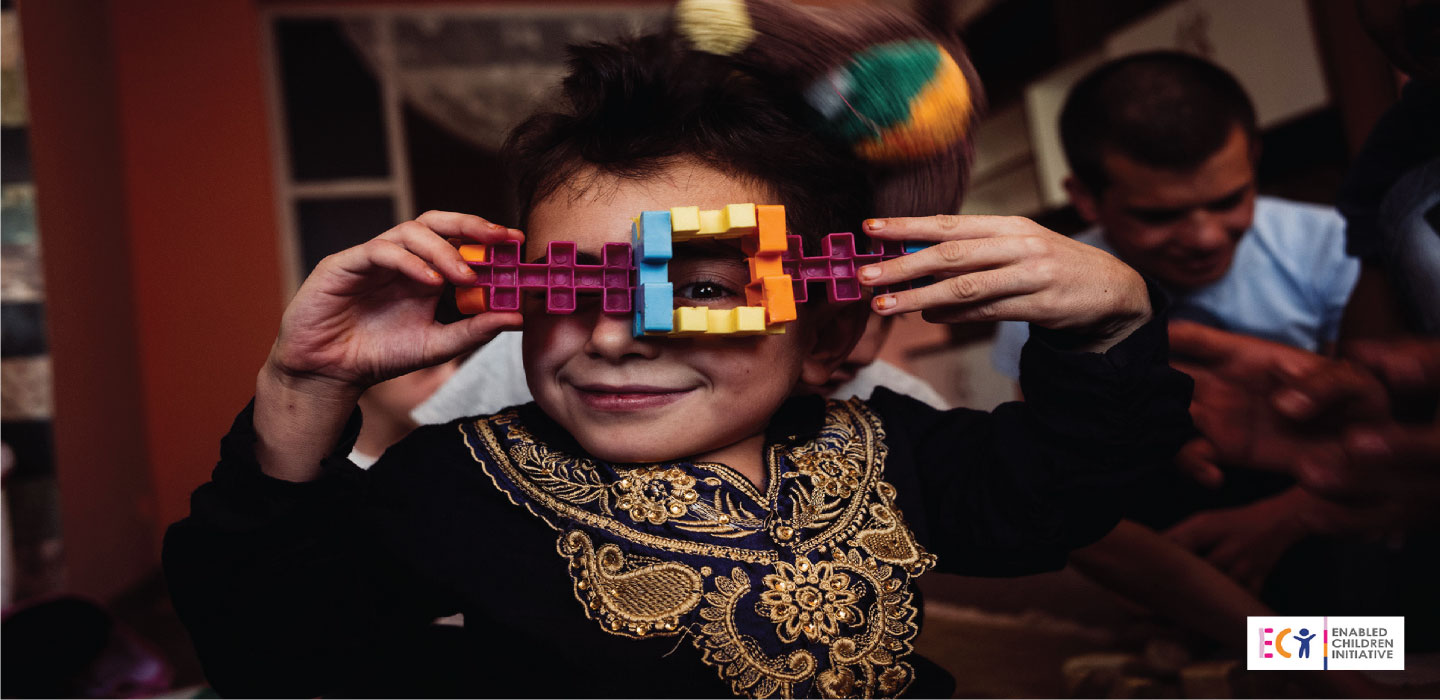
ACBAR Disability Month
This Month, ACBAR is celebrating the work of its NGO members, that support the mobility and inclusion of girls and boys, women and men with disabilities in everyday life in Afghanistan.
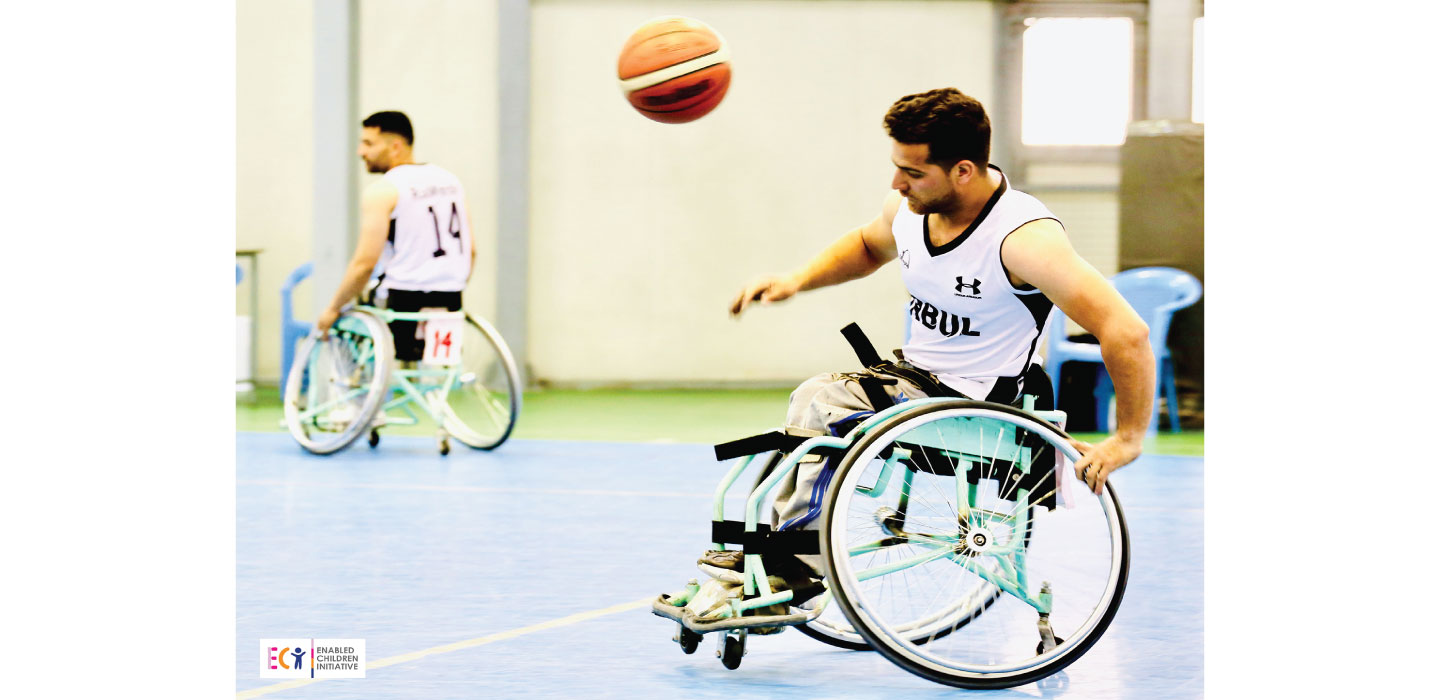
ACBAR Disability Month
This Month, ACBAR is celebrating the work of its NGO members, that support the mobility and inclusion of girls and boys, women and men with disabilities in everyday life in Afghanistan.
ACBAR, the Agency Coordinating Body for Afghan Relief & Development, is an Afghan independent body bringing together 193 national and international NGOs working in Afghanistan and abiding by the humanitarian principles of independence, neutrality, impartiality and humanity.
-
-
April, 2024, 25
ACBAR Mid-Term General Assembly (31 October 2023)
The ACBAR Mid-Term General Assembly met in the ACBAR offices on 31 October 2023, with the participation (either in-...
-
-
April, 2024, 25
The Center of Conflict and Humanitarian Studies (CHS) - Doha, in collaboration with the Agency Coordinating Body for Afghan Relief and Development (ACBAR), organized a two-day workshop in Kabul.
The event, held on January 28th and 29th, 2024, aimed to enhance coordination between non-governmental org...